
BIRCH PLYWOOD
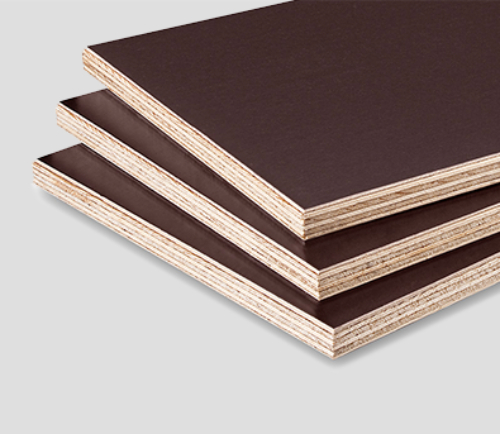
Plywood is film-faced plywood panels made by pressing thin wood sheets under high pressure. Film-faced concrete formwork plywood, commonly known in the industry as plywood, is manufactured from durable woods such as pine, beech, and birch. The adhesive used in plywood production is a water- and moisture-resistant marine (WBP) adhesive. The outer surfaces of plywood are covered with kraft paper impregnated with phenolic resin imported from Finland. Plywood is a lightweight material with very good mechanical strength. It is generally produced with an odd number of layers. The outer layers are generally oriented parallel to the panel's long dimension. Successive layers are bonded perpendicular to one another. This production method increases strength and provides resistance to shock effects caused by vibration. Construction with plywood is healthier and more efficient. Its multiple-use capability also makes it more economical and eliminates plastering costs in many places. It also provides significant time savings during formwork installation.
Construction Sector:
In formwork applications, scaffolding platforms, interior partitions and roofing, flooring and parquet industries.
Furniture Industry:
Door and shelf production, wooden chair and table manufacturing, and office furniture.
Transportation and Logistics:
On the floors and side walls of truck trailers, on container floors, on the floors and side walls of railcars, in animal transport vehicles, buses, and cargo areas of ships.
Packaging:
The material has high resistance to moisture and chemicals, is less expensive than other materials, is more durable and lightweight, is safe and hygienic, can be reused, has minimal environmental impact, and can be used for all kinds of packaging.